About Glass Stirring Rods
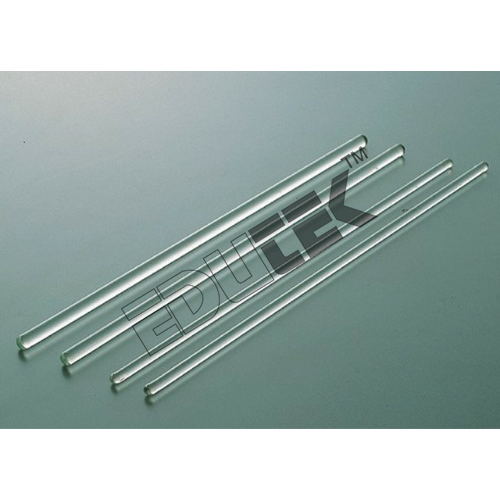
Glass Stirring Rod
Specification of Glass Stirring Rod
- With rounded ends and made of soft flint glass.
- Pack of 144.
- Length: 125mm. Diameter: 3 mm.
STIRRING ROD(ETS-16734B)
- Glass stirring rod,
- Length 12
- Diameter 10mm,
- pk/12
STRING ROD (ETS-16734R)
- Glass
- 200 x 7 mm
- Glass 1, 5 mm, 200 mm,
- Made of glass material,
- Measures 5-millimeters
- Diameter by 200-millimeters length.
Superior Material and ConstructionManufactured from borosilicate glass, these stirring rods deliver durability, chemical resistance, and clarity. Their cylindrically solid shape and rounded ends promote safe and easy mixing, while the precision finish ensures they meet laboratory standards. This robust material allows the rods to safely withstand frequent sterilization and reuse.
Versatile Application and UsageGlass stirring rods are indispensable in laboratories for mixing, dissolving, and transferring chemicals within beakers and flasks. Their transparent nature enables easy visual monitoring of reactions, while manual operation ensures gentle control during stirring tasks. Choose from various lengths to suit specific experiment requirements.
FAQs of Glass Stirring Rods:
Q: How are glass stirring rods typically used in laboratory settings?
A: Glass stirring rods are used for blending, mixing, and stirring chemicals in laboratory glassware such as beakers and flasks. Their manual operation provides precise control over the mixing process, making them suitable for various experiments and chemical preparations.
Q: What makes borosilicate glass suitable for stirring rods?
A: Borosilicate glass offers superior chemical resistance and can withstand high temperatures up to 400C without deformation. Its smooth and clear surface not only resists corrosion but also allows for easy cleaning and long-term reuse in demanding laboratory environments.
Q: When should I choose a specific length or diameter for a stirring rod?
A: Select the length and diameter based on the volume of liquid and the size of your laboratory containers. Common lengths are 150 mm, 200 mm, and 300 mm, with 6 mm as the typical diameter. Larger vessels may require longer rods for effective stirring, while smaller beakers may suit shorter ones.
Q: Where are glass stirring rods best stored after use?
A: Glass stirring rods should be stored in clean, dry laboratory drawers or containers to prevent contamination or breakage. Individually packed rods are protected from dust and contact, while bulk packaging is suitable for high-volume lab use. Ensure they are fully dry after washing or autoclaving before storage.
Q: What is the cleaning process for glass stirring rods?
A: After each use, wash the rods with laboratory detergent and rinse thoroughly with distilled water. For sterilization, they can be autoclaved, thanks to their temperature resistance. Regular cleaning keeps them free from chemical residues and maintains their clarity and performance.
Q: What benefits do glass stirring rods offer compared to plastic alternatives?
A: Glass rods are more chemically resistant and can sustain repeated sterilization and high temperatures. They do not react with most chemicals, making them suitable for sensitive laboratory processes. Additionally, they are easy to clean and reusable, contributing to laboratory efficiency.







 Send Inquiry
 Send Inquiry

